
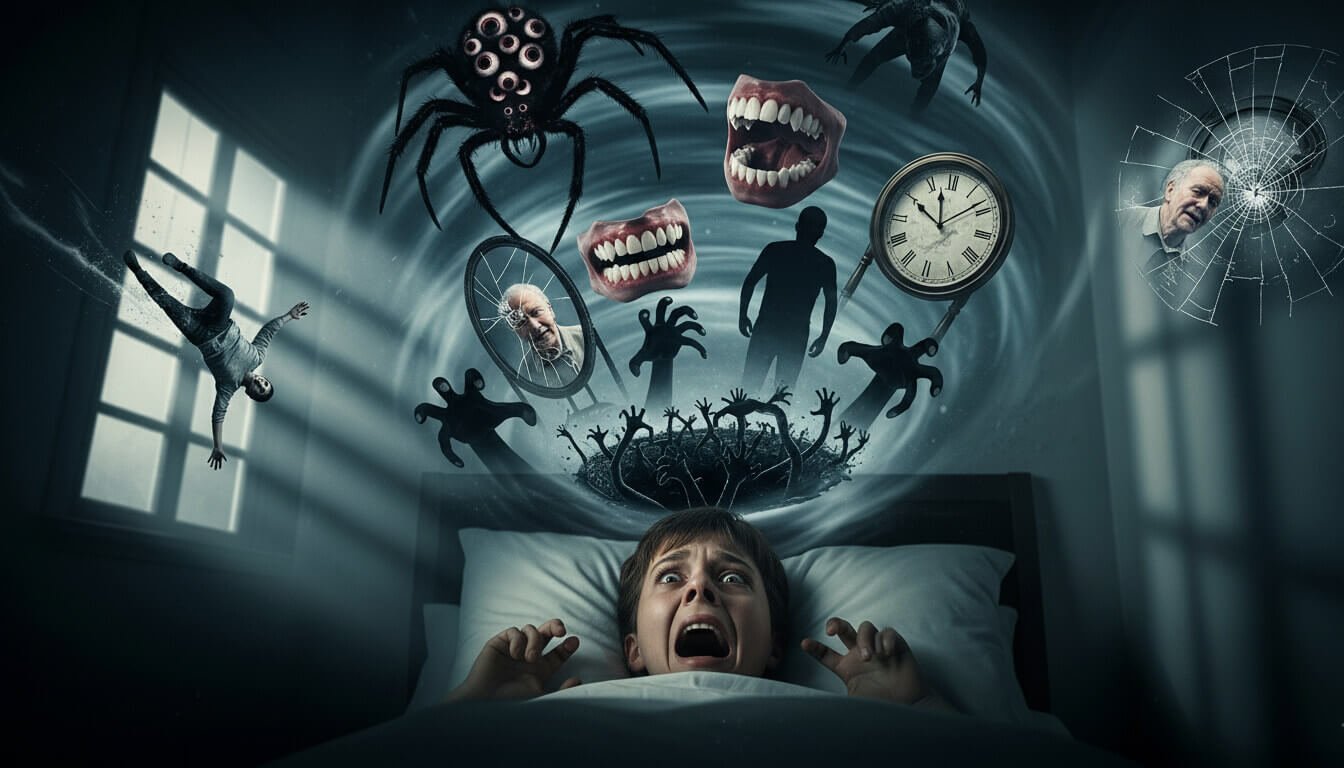
9 Common Nightmares That Are Actually Warnings You Shouldn’t Ignore
Most people wake up from a nightmare, shake it off, and get on with their day. And most of the time, that’s perfectly reasonable. But some dreams — particularly the ones that keep coming back — aren’t random noise from a tired brain. They’re signals. Your mind is processing something it hasn’t been able to work through while you’re awake.
Sleep researchers and psychologists have studied recurring dream patterns for decades, and what they’ve found is both fascinating and genuinely useful. Certain common nightmares that are actually warnings tend to cluster around specific emotional, psychological, and in some cases, physical states. Understanding what your nightmare is pointing toward doesn’t just satisfy curiosity — it can lead you toward real changes that improve your waking life.
This guide breaks down nine of the most common nightmares people experience, what the science and psychology say they typically mean, when they cross from “interesting” into “worth taking seriously,” and what you can actually do about them.
Why Your Brain Speaks in Nightmares
Before we get into the list, it helps to understand what a nightmare actually is at the biological level.
Nightmares predominantly occur during REM (Rapid Eye Movement) sleep — the stage associated with vivid dreaming, emotional processing, and memory consolidation. During REM sleep, your brain is highly active, but the prefrontal cortex — the rational, decision-making part — is partially offline. That’s why dreams feel so real and why dream logic makes sense in the moment, even when it’s completely absurd.
The amygdala, your brain’s emotional processing centre, is very much online during REM. This is why nightmares feel emotionally intense. Fear, anxiety, guilt, grief — these emotions drive nightmare content in a way that conscious thought rarely does.
According to research published in the journal Current Biology, REM sleep plays a critical role in emotional memory processing. When we’re under stress, grieving, or dealing with unresolved psychological tension, the brain uses dream sleep to attempt to process that material. Sometimes those attempts are unpleasant. That unpleasantness is, in a meaningful sense, the point.
Bad dreams aren’t always a sign of mental illness. But recurring nightmares — particularly those tied to specific themes — are worth paying attention to, because they often reflect something the waking mind is avoiding.
Nightmare 1 — Falling and Never Landing

What the Dream Looks Like
You’re falling off a building, a cliff, into darkness. The drop feels endless. You either jolt awake just before impact, or you hit the ground and wake up gasping.
What It’s Warning You About
Falling nightmares are among the most universally reported across all cultures and age groups. Psychologically, they’re consistently associated with feelings of loss of control, insecurity, and anxiety about failing in some area of life — a job, a relationship, a responsibility you’re not sure you’re meeting.
They can also be triggered by a literal physiological event: the hypnic jerk. As your body transitions into sleep and your muscles relax, the brain sometimes misinterprets this as actual falling and fires a startle response. This type is benign.
The recurring version — where you keep falling night after night — is different. This pattern tends to emerge during periods of significant life stress: career uncertainty, financial pressure, or the feeling that something important is slipping out of your hands.
The warning: Something in your waking life feels unstable or out of your control. The nightmare is pushing you to acknowledge it.
Nightmare 2 — Being Chased

What the Dream Looks Like
Someone — or something — is chasing you. You run but can’t escape. Your legs feel like concrete. You might not even know what’s pursuing you, which somehow makes it worse.
What It’s Warning You About
Being chased is arguably the single most common nightmare theme reported by adults worldwide. According to a study published in Dreaming, a journal of the American Psychological Association, chase dreams were among the top recurring nightmare types across all demographic groups.
The psychology is relatively consistent: being chased in a dream typically represents something in your waking life you’re avoiding confronting. That might be a difficult conversation you’ve been putting off, a decision you’re afraid to make, a relationship issue you’re not addressing, or an aspect of yourself you’d rather not face.
The pursuer in the dream often symbolises the thing you’re running from. When it’s formless or unknown, that’s often a sign the avoidance is unconscious — you may not even fully know what you’re avoiding.
The warning: There is something in your life you need to stop running from and start facing. The longer you avoid it, the more persistent this dream tends to become.
Nightmare 3 — Teeth Falling Out

What the Dream Looks Like
Your teeth crumble, loosen, or fall out one by one. Sometimes you spit them out. Sometimes you watch them drop. It’s viscerally disturbing in a way that’s hard to shake even after waking.
What It’s Warning You About
Teeth dreams are one of the most studied nightmare types in psychological literature. A 2018 study published in Frontiers in Psychology found a meaningful correlation between teeth dreams and dental irritation during sleep — meaning some instances may have a physical cause. But the psychological associations are well-documented, too.
Across multiple cultural and psychological frameworks, teeth falling out in dreams is consistently linked to:
- Anxiety about personal appearance and how others perceive you
- Fear of powerlessness or loss — teeth being symbols of strength and self-expression
- Communication anxiety — fear of saying the wrong thing, or of being judged for what you say
- Grief or significant life transitions, particularly loss
In Islamic dream interpretation, teeth dreams carry specific significance — teeth falling out is often interpreted as a sign of loss within the family or a signal to pay attention to the health and well-being of those close to you.
The warning: You may be carrying unexpressed anxiety about how you’re perceived, or processing a fear of loss you haven’t fully confronted.
Nightmare 4 — Being Unprepared for an Exam or Performance
What the Dream Looks Like
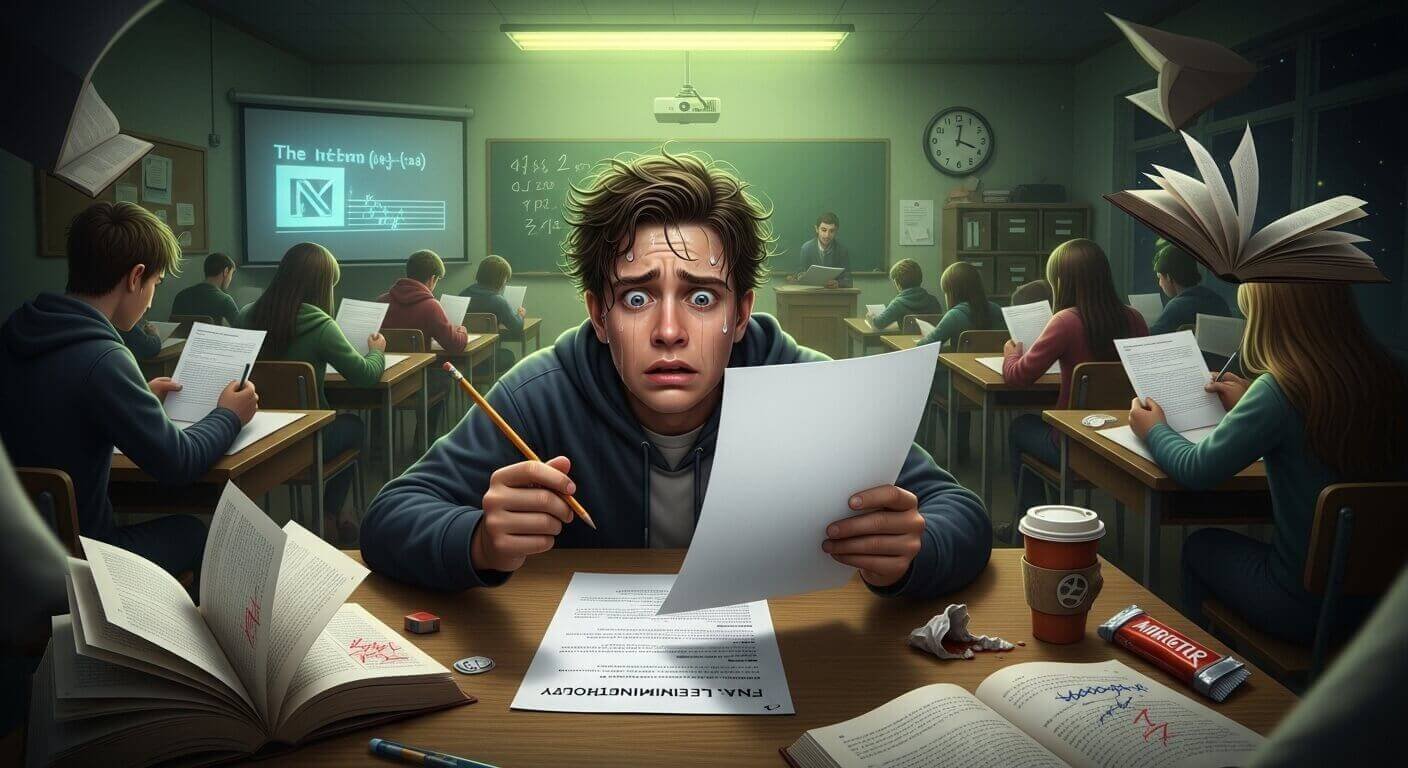
You’re sitting an exam you didn’t study for. You’re about to perform on stage, and you don’t know any of your lines. You arrive at a job interview and realise you’ve forgotten everything. Pure panic sets in.
What It’s Warning You About
This nightmare type is remarkably persistent — many adults continue to have exam nightmares decades after they’ve left school. The content shifts, but the emotional core stays the same: being judged and falling short.
These dreams are strongly associated with performance anxiety, imposter syndrome, and fear of failure. They often surface during periods of professional pressure — a big project, a new role, a high-stakes presentation. Your brain is essentially rehearsing the worst possible outcome, which is its anxious way of trying to prepare you.
Research from Harvard Medical School has found that people who experience high-stress performance situations tend to have more frequent evaluative dreams — including the classic unprepared exam scenario.
The warning: You may be setting unrealistic expectations of yourself, or you’re in a situation where the gap between what’s expected and what you feel capable of is causing you significant underlying anxiety.
Nightmare 5 — Being Paralysed or Unable to Move
What the Dream Looks Like
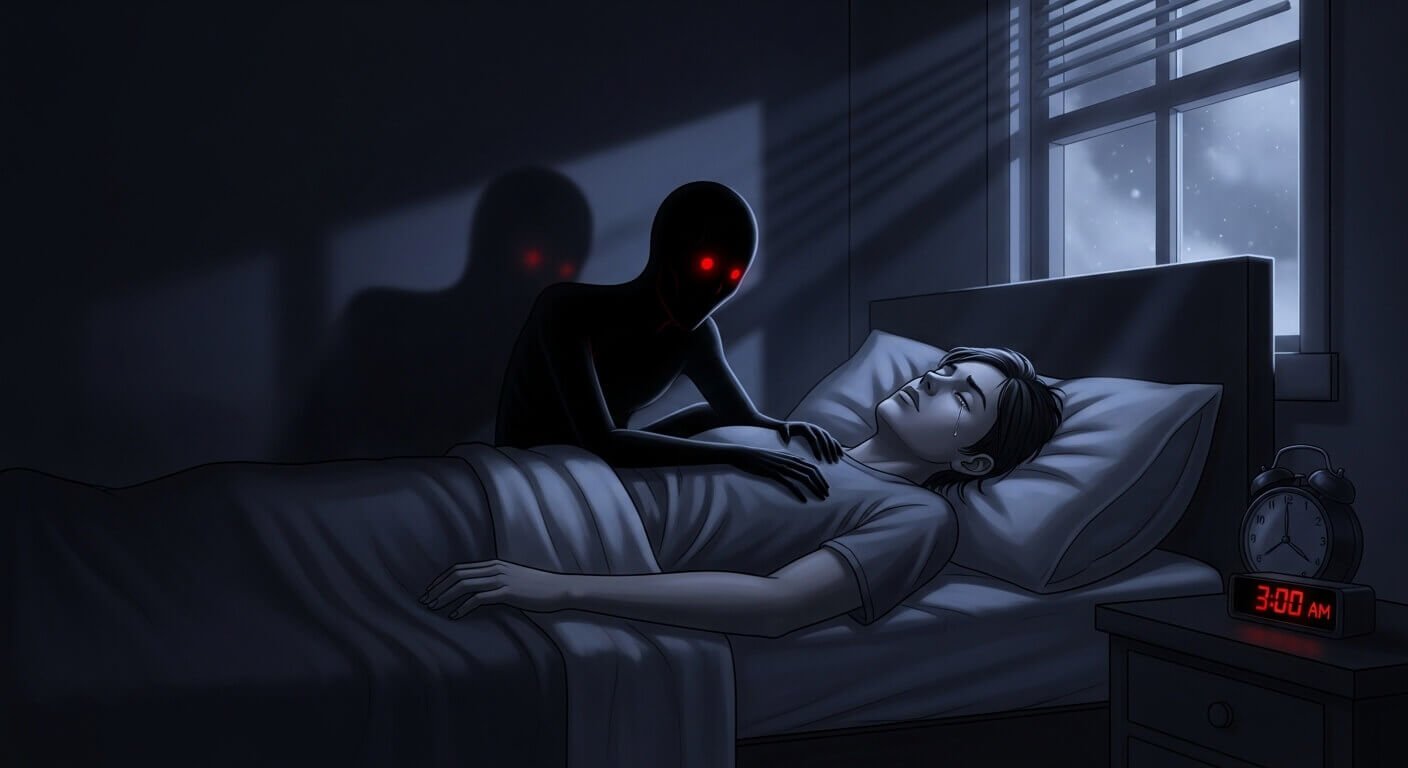
You try to run, scream, or call for help — but nothing works. Your body won’t respond. You’re frozen in place while something threatening gets closer.
What It’s Warning You About
This nightmare has two distinct layers worth separating.
The first is sleep paralysis — a real neurological phenomenon where you briefly become conscious while your body is still in REM-induced muscular atonia (the temporary paralysis that prevents you from physically acting out your dreams). Sleep paralysis episodes can involve vivid hallucinations and profound terror. They’re alarming but physically harmless.
The second layer is the psychological meaning of paralysis dreams more broadly: an overwhelming sense of helplessness in a waking situation. Feeling trapped in a job, relationship, or circumstance you can’t see a way out of is one of the most consistent themes reported by people experiencing these dreams regularly.
If sleep paralysis is occurring frequently, it’s worth speaking to a GP or sleep specialist, as it can be associated with sleep deprivation, irregular sleep schedules, narcolepsy, and — according to the American Academy of Sleep Medicine — anxiety and post-traumatic stress.
The warning: Either your sleep architecture needs attention, or you feel profoundly stuck in some area of your waking life. Both deserve a response.
Nightmare 6 — Dying or Watching Yourself Die
What the Dream Looks Like
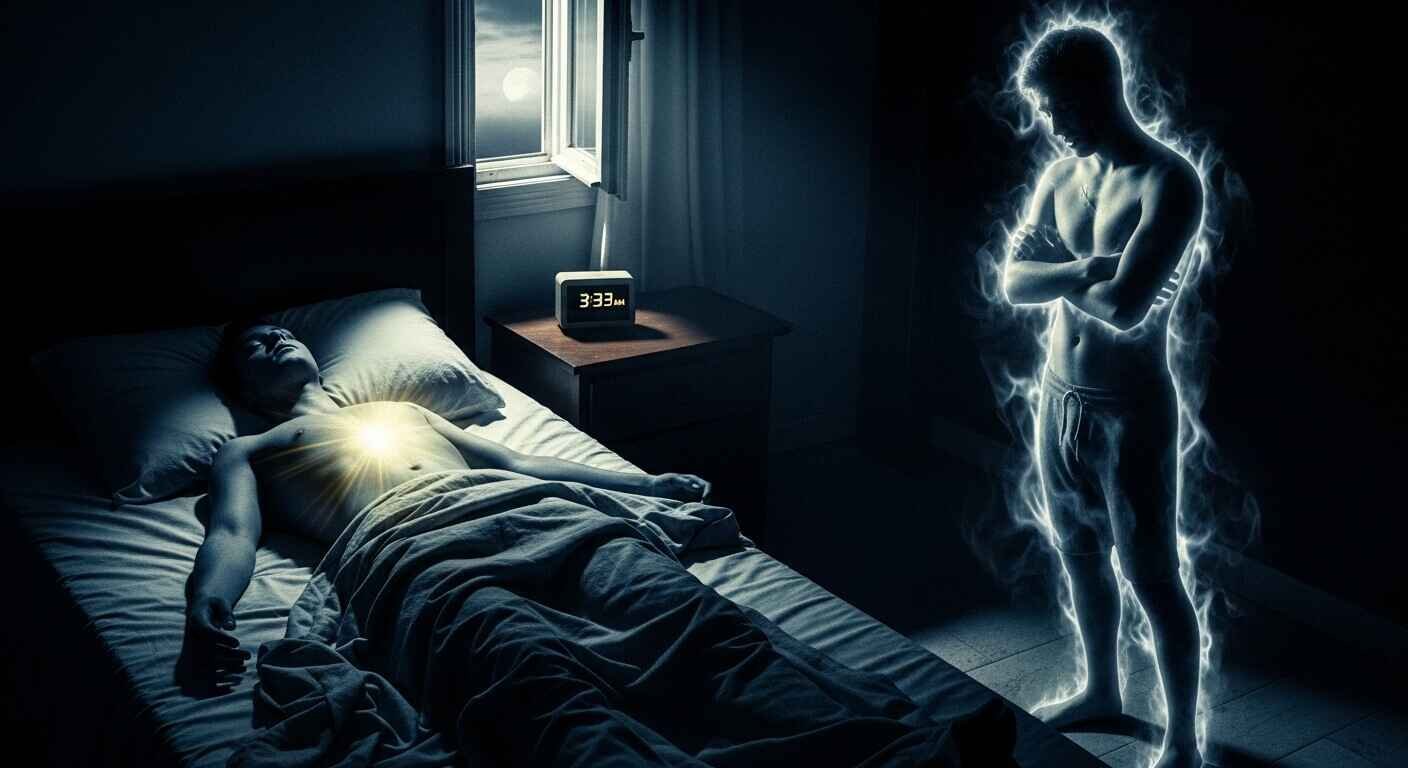
You die in the dream — sometimes violently, sometimes peacefully. You might watch it from outside your body, or experience it from within. Occasionally, you’re attending your own funeral.
What It’s Warning You About
This one understandably causes the most distress for people who experience it. The good news: dreaming about death rarely predicts actual death. What it typically signals is transformation, major change, or the ending of something significant.
Psychologist and dream researcher Carl Jung viewed death in dreams as symbolising the death of an old self — an outdated identity, relationship, or life chapter making way for something new. Modern clinical psychology largely aligns with this interpretation.
Death dreams that feel peaceful are often associated with acceptance of change. Death dreams that feel violent or traumatic can indicate that the change — a job loss, a breakup, a move, a shift in identity — is happening in a way that feels forced rather than chosen.
Recurring death nightmares are also associated with depression and prolonged grief, and in those cases, they represent a signal worth taking to a mental health professional rather than just interpreting on your own.
The warning: Something significant in your life is ending or needs to end. The dream is pushing you to acknowledge the transition rather than resist it.
Nightmare 7 — Natural Disasters — Floods, Earthquakes, Storms

What the Dream Looks Like
A tidal wave is crashing toward you. The ground is splitting apart beneath your feet. A storm is destroying everything around you, and you can’t get to safety.
What It’s Warning You About
Natural disaster dreams are strongly linked to emotional overwhelm. Water — particularly flooding or tidal waves — is one of the most consistent symbols of emotions that have been building without an adequate outlet. The larger the wave, the more overwhelming the emotional state it tends to represent.
Earthquakes in dreams are often associated with a fundamental destabilisation of something you believed was solid — a relationship, a worldview, a sense of security.
These dreams tend to spike during periods of collective crisis, too — research following major world events has found increased rates of disaster-themed dreams in the general population during and after events that generate widespread anxiety.
The warning: Your emotional load may be reaching a point where it needs active attention. These dreams tend to ease when people create genuine outlets — through therapy, conversation, journaling, or simply acknowledging to themselves what they’re actually feeling.
Nightmare 8 — Being Lost and Unable to Find Your Way

What the Dream Looks Like
You’re in an unfamiliar place — a maze, a foreign city, a building that keeps changing — and you can’t find your way out or back to somewhere familiar. Panic builds with each wrong turn.
What It’s Warning You About
Being lost in a dream is one of the clearest psychological mirrors for feeling directionless in waking life. This nightmare theme tends to emerge during transitional periods — a career crossroads, the end of a relationship, a significant life change where the next step isn’t clear.
It’s particularly common among people in their late twenties and thirties — a period where the life script many people grew up with (education, career, relationship, stability) may not match their actual experience.
From a spiritual dream perspective, being lost and searching is often interpreted as a soul in the process of finding its authentic path rather than following an inherited one — a meaning that maps surprisingly well onto the psychological reality.
The warning: You may need more clarity about what you want and where you’re headed. The dream is a prompt to spend some conscious time on direction and purpose rather than pushing through on autopilot.
Nightmare 9 — Someone You Love Is in Danger
What the Dream Looks Like
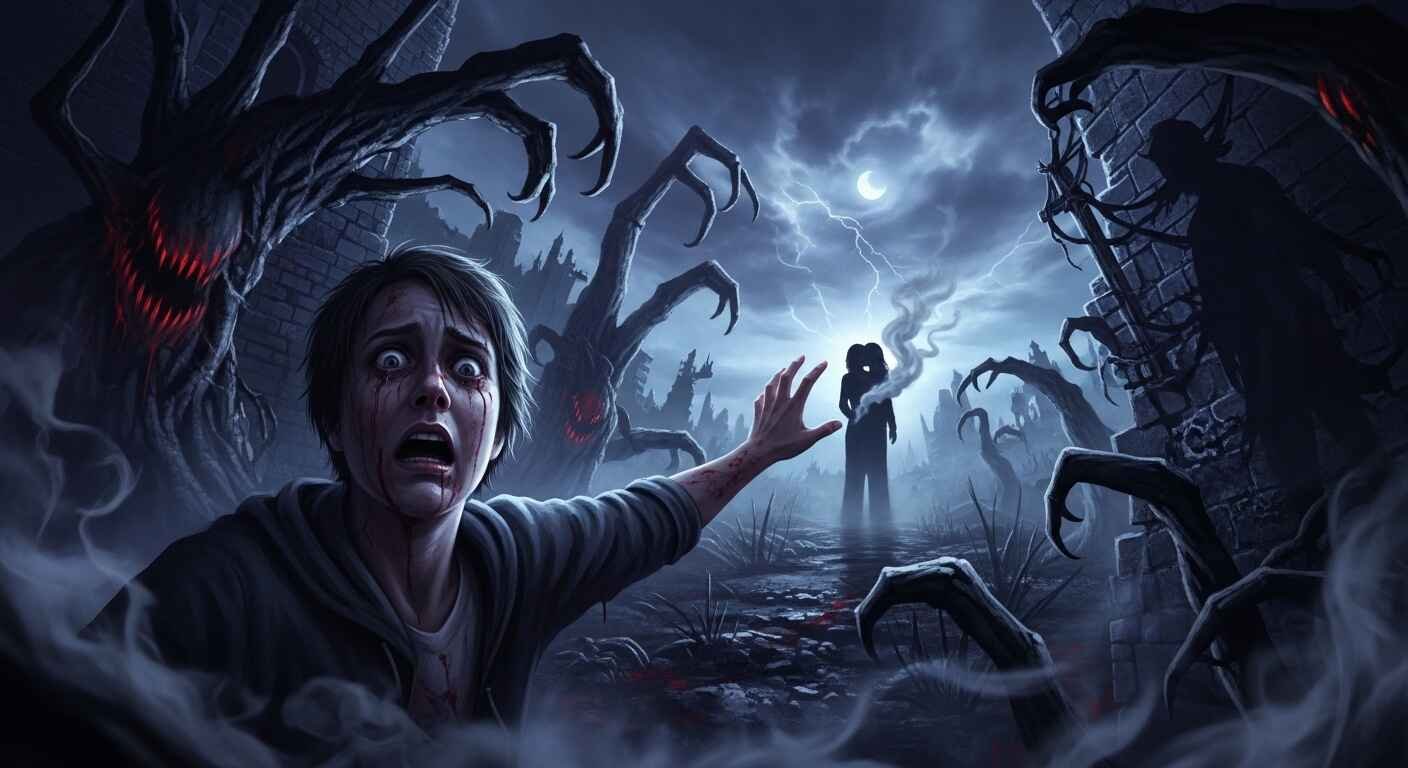
A family member, partner, or close friend is threatened, hurt, or dying in your dream, and you can’t reach them or save them. The helplessness is the most painful part.
What It’s Warning You About
This is arguably the most emotionally distressing type of nightmare for most people — and also one of the most misunderstood. These dreams rarely predict harm coming to loved ones. What they typically reflect is your own fear of loss, your anxiety about a relationship, or your sense that something between you and that person needs attention.
Sometimes these dreams emerge when a relationship has become strained, and the conscious mind is minimising it while the unconscious mind is not. Other times, they reflect pure anxiety — a parent worrying about a child, a partner anxious during a difficult period in a relationship, a person coming to terms with the natural vulnerability of loving someone.
In some cases, recurring nightmares about a specific person are connected to unresolved grief — particularly if that person has recently experienced illness, or if you’ve lost someone and the mourning process hasn’t been fully acknowledged.
The warning: Pay attention to your most important relationships. The dream may be signalling emotional distance, unspoken tension, or a grief that needs space to breathe.
When Recurring Nightmares Become a Clinical Concern
Having a nightmare occasionally is entirely normal. The American Sleep Association estimates that between 50 and 85 per cent of adults report having occasional nightmares.
The picture changes when nightmares are:
- Recurring multiple times per week over a sustained period
- Disrupting your sleep to the point of affecting daytime functioning
- Connected to a traumatic experience, nightmares are a core symptom of PTSD
- Causing significant distress that carries into your waking hours
In these cases, the question “Are bad dreams a sign of mental illness?” deserves a serious answer. Frequent, intense nightmares are associated with depression, anxiety disorders, PTSD, and certain sleep disorders. They can also be a side effect of some medications, including beta-blockers, certain antidepressants, and medications that affect REM sleep.
If recurring nightmares are affecting your quality of life, speaking with a GP or mental health professional is the right next step. Evidence-based treatments, including Image Rehearsal Therapy (IRT), cognitive behavioural therapy for insomnia (CBT-I), and in some cases medication, have strong track records for reducing nightmare frequency and severity.
How to Reduce Nightmares — Practical Steps That Work
Build a Consistent Sleep Routine
Your brain’s ability to process emotions effectively during sleep depends heavily on sleep quality and consistency. Going to bed and waking at the same time every day — including weekends — stabilises your REM cycles and reduces the intensity of stress-driven dreams over time.
Process Stress Before You Sleep
Journaling, light reading, or even a brief conversation about what’s weighing on you before bed gives the brain a head start on emotional processing, reducing the intensity with which unprocessed material surfaces during sleep.
Limit Alcohol and Screen Time Before Bed
Both alcohol and blue light from screens disrupt REM sleep. Alcohol initially suppresses REM, then causes a rebound in the second half of the night — often producing vivid, distressing dreams. Cutting both in the hour before bed makes a measurable difference to dream quality.
Try Image Rehearsal Therapy
For recurring nightmares specifically, IRT is one of the most effective non-pharmacological interventions available. The technique involves consciously rewriting the nightmare’s ending while awake — imagining a different, less distressing outcome — and rehearsing that new version. Over time, this can interrupt the nightmare pattern and change its content.
Final Thoughts — What Your Nightmares Are Trying to Tell You
Common nightmares that are actually warnings are not random. They’re emotionally intelligent responses from a brain that is processing things you may not be fully facing while awake. Falling reflects lost control. Being chased reflects avoidance. Teeth falling out reflects anxiety about perception or loss. Paralysis reflects helplessness. Death reflects transformation. Disasters reflect emotional overflow. Being lost reflects directionlessness. Danger to loved ones reflects relational anxiety or grief.
None of these is predictions. All of them are worth listening to.
The next time you wake from a nightmare, resist the urge to shake it off immediately. Ask what your sleeping mind was working through. The answer may be more useful than you expect.
FAQs
Can nightmares actually be warnings, or is that just superstition?
In a psychological sense, yes — nightmares frequently contain meaningful signals about your emotional and mental state. They’re not supernatural predictions, but they are your brain’s way of flagging unresolved stress, fear, grief, or avoidance. Research in sleep science consistently supports the view that dream content reflects waking emotional concerns.
Are bad dreams every night a sign of something serious?
Nightly bad dreams are worth paying attention to. While occasional nightmares are entirely normal, recurring nightmares multiple nights per week — particularly when they’re disrupting sleep or affecting how you function during the day — can indicate elevated anxiety, depression, PTSD, or a sleep disorder. Consulting a GP or sleep specialist is advisable if this is your experience.
What do common nightmares mean in Islam?
In Islamic tradition, dreams are divided into three types: true dreams from Allah, personal dreams reflecting one’s thoughts and experiences, and disturbing dreams from Shaytan. Nightmares are generally attributed to the latter category, and believers are advised to seek refuge in Allah upon waking, not to share the dream with others, and to change sleeping positions. Specific nightmare imagery — such as teeth falling out — carries particular interpretive significance in Islamic dream scholarship, often relating to family loss or health concerns for loved ones.
What are the top five most common nightmares reported by adults?
Across multiple sleep studies and large-scale surveys, the five most frequently reported nightmare themes are: being chased or pursued, falling, being unprepared for an exam or test, teeth falling out, and being frozen or unable to move. These themes appear consistently across different countries, cultures, and age groups, suggesting they connect to universal emotional experiences rather than culturally specific concerns.
How can I actually stop recurring nightmares?
The most effective approaches combine both lifestyle and psychological strategies. Improving sleep hygiene — consistent sleep times, reduced alcohol, limiting screens before bed — addresses the physiological side. Image Rehearsal Therapy (IRT) has the strongest evidence base for reducing recurring nightmare frequency. Addressing the underlying emotional content through journaling, therapy, or open conversations about what’s stressing you can reduce the frequency over time. If nightmares are connected to trauma, working with a therapist trained in trauma-informed approaches is strongly recommended.
What is the spiritual meaning of bad dreams every night?
Across multiple spiritual traditions, repeated bad dreams are interpreted as signals calling for reflection rather than passive experience. Many traditions — including various interpretations within Christianity, Islam, and indigenous spiritual frameworks — view recurring disturbing dreams as prompts to examine one’s conscience, relationships, or life path. While spiritual interpretation varies significantly by tradition, the common thread is the same one psychology identifies: recurring nightmares are rarely meaningless, and they typically point toward something that deserves conscious attention.